

QR-Code Creator: Free Download, Features & Complete Guide
QR codes have become a common way to share information quickly. A single scan can open a website, display text, share contact details, connect to a Wi-Fi network, send an email, or provide other types of digital information.
QR-Code Creator 7.7.4 is designed to make the process of generating QR codes easier. Instead of manually creating complicated QR data, users can enter the information they want to share and generate a scannable code.
Depending on the version, QR-Code Creator can support different information types, customization options, image exports, printing workflows, and other useful features. Some desktop versions can also work offline, making them convenient for users who prefer creating QR codes directly on their computer.
| Part | Rapidgator | Nitroflare |
| QR-Code Creator 7.7.4 | 🟢 DOWNLOAD | 🔴 DOWNLOAD |
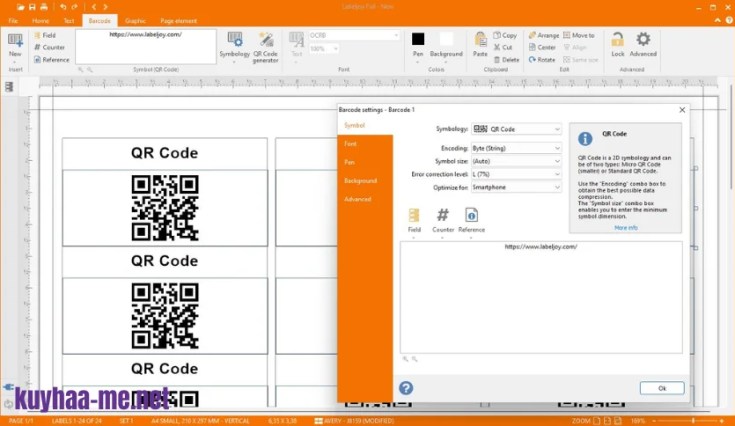
What Is QR-Code Creator?
QR-Code Creator is a QR code generation tool that allows users to create QR codes from different types of information.
The basic idea is simple. You enter information into the application, select the appropriate QR code type, customize the appearance if required, and generate the final code.
Depending on the particular edition, QR-Code Creator may support information such as:
- Website URLs
- Plain text
- Contact information
- Email addresses
- Phone numbers
- SMS messages
- Wi-Fi details
- Calendar events
- Geographic locations
- Social or messaging information
Some versions also provide tools for adding colors, borders, icons, logos, and other visual elements.
Why Users Search for QR-Code Creator Free Download
Many users search for QR-Code Creator free download because they want a quick way to generate QR codes without using complicated design software.
Common reasons include:
- Creating a QR code for a website
- Sharing contact information
- Creating business cards
- Providing Wi-Fi access
- Creating digital menus
- Sharing event information
- Creating marketing materials
- Adding QR codes to product packaging
- Creating printable promotional material
For simple static QR codes, free options can often be sufficient. More advanced services may charge for features such as dynamic editing, analytics, branding, or bulk management.
Is QR-Code Creator Free?
The answer depends on the specific version of QR-Code Creator being used.
Some QR-Code Creator applications are available as free software, while other products provide free versions or free trials with additional paid features.
There are also QR-code tools that provide free static QR generation while charging for advanced dynamic features such as analytics, editable destinations, branding, or bulk generation.
Users should therefore check the licensing information for their particular edition before assuming that every feature is permanently free.
It is also important to avoid cracked or modified versions. A legitimate free release is much safer than downloading an unofficial installer.
QR-Code Creator Free Download
When searching for QR-Code Creator free download, users should first determine which edition they need.
A safe download process includes:
- Check the operating system requirements.
- Confirm the software edition.
- Review the licensing information.
- Download the legitimate installer.
- Scan the installer if necessary.
- Install the application.
- Create a test QR code.
- Scan the result before using it publicly.
Some desktop editions are distributed as installer packages as well as portable versions, allowing users to run the application without a traditional installation.
Key Features of QR-Code Creator
The exact feature set depends on the version, but QR-Code Creator software commonly focuses on several important capabilities.
These may include:
- QR code generation
- Multiple QR content types
- Color customization
- Size adjustment
- Error-correction settings
- Logo or image support
- Custom borders or frames
- Image export
- Clipboard copying
- Printing
- QR code scanning or decoding in some editions
Some desktop versions support image output in formats such as BMP, PNG, JPG, and GIF and can copy generated QR codes directly to the clipboard.
Creating QR Codes
Creating a QR code usually takes only a few steps.
First, select the type of information you want the QR code to contain. Then enter the required data.
For example, if you want to create a website QR code, enter the complete URL.
After entering the information, generate the code and preview it.
Before downloading or printing the result, scan it with a smartphone to confirm that it works correctly.
Website URL QR Codes
Website QR codes are among the most common types.
A URL QR code can be placed on:
- Flyers
- Posters
- Business cards
- Product packaging
- Menus
- Advertisements
- Signs
- Printed documents
When someone scans the code, their phone can open the associated web address.
Always test the URL before publishing the QR code. A small typing mistake can make the code direct users to the wrong location.
Text QR Codes
A text QR code stores text information directly inside the code.
This can be useful when the information does not require a website.
Examples include:
- Short instructions
- Product information
- Notes
- Messages
- Basic reference information
Static text-based QR codes can be useful for situations where the information is unlikely to change.
Contact Information QR Codes
QR codes can make sharing contact information easier.
Depending on the supported format, a contact QR code can contain information such as:
- Name
- Phone number
- Email address
- Company
- Address
- Website
A recipient can scan the code and use the information to create a contact entry on a compatible device.
This can be especially useful for business cards and networking events.
Email QR Codes
Email QR codes can make it easier for someone to start an email.
Depending on the supported QR format, the code can contain an email address and may also include information such as a subject or message.
This can be useful for:
- Customer support
- Business inquiries
- Feedback forms
- Marketing materials
- Printed contact information
Always test the generated code using different devices before distributing it.

Phone Number QR Codes
A phone-number QR code can provide a convenient way for users to initiate a call.
This can be useful for businesses that want customers to contact them without manually entering a phone number.
Examples include:
- Service businesses
- Restaurants
- Retail stores
- Event organizers
- Customer-support materials
The phone number should be carefully checked before generating the final QR code.
Wi-Fi QR Codes
Wi-Fi QR codes can simplify network access.
Instead of manually entering a long password, users can scan a compatible QR code and receive the required network information.
This can be useful for:
- Guest networks
- Hotels
- Offices
- Restaurants
- Events
- Homes
Because Wi-Fi QR codes can contain network credentials, they should be shared carefully.
Calendar Event QR Codes
Some QR-code creation tools support calendar-event information.
A QR code can contain information such as:
- Event name
- Date
- Time
- Location
- Event details
This can make event invitations and printed schedules more interactive.
Users should test the code with a compatible scanning application before distributing it.
QR Code Customization
A plain QR code does not always need to remain completely black and white.
Depending on the software, users may be able to customize:
- Foreground color
- Background color
- Border
- Frame
- Icon
- Logo
- Shape
- Size
Some desktop versions provide color, frame, background, and image-icon customization.
However, customization should never compromise scan reliability.
A visually attractive QR code is not useful if smartphones cannot recognize it.
Adding a Logo or Image
Adding a logo can make a QR code more recognizable and suitable for business branding.
A company may want its logo in the center of the QR code when creating branded marketing material.
However, the logo should not cover too much of the QR pattern.
QR codes include error-correction mechanisms that can help compensate for limited damage, but there are practical limits. A large logo or excessive visual modification can make scanning unreliable.
QR Code Size and Resolution
The correct QR code size depends on how it will be used.
A QR code displayed on a phone screen may not need the same dimensions as one printed on a large poster.
For printed material, consider:
- Viewing distance
- Printer quality
- Paper quality
- QR complexity
- Lighting conditions
- Expected scanning distance
Some desktop QR-code software allows output dimensions to be adjusted for different purposes. One desktop edition, for example, supports output sizes from 100 × 100 pixels up to 1200 × 1200 pixels.
QR Code Error Correction
Error correction helps a QR code remain readable when part of its pattern is damaged, obscured, or affected by printing imperfections.
Higher error correction can be particularly useful when a QR code contains a logo or is expected to experience some physical damage.
However, higher correction can also increase the amount of visual information contained in the code.
The best approach is to select an appropriate correction level and test the final code with multiple devices.
Saving and Exporting QR Codes
After creating a QR code, users may want to save it as an image.
Supported formats depend on the application.
Some desktop versions support formats such as:
- PNG
- JPG
- BMP
- GIF
Other QR-code tools may provide SVG or PDF export for higher-quality printing and design workflows.
For professional printing, a scalable or high-resolution format can be preferable when available.
Copying QR Codes to the Clipboard
Some desktop versions allow generated QR codes to be copied directly to the clipboard.
This can make it easier to insert a QR code into:
- Word documents
- Presentations
- Graphics projects
- Marketing designs
- Emails
- Digital documents
Instead of saving an image first, users can copy the generated code and paste it directly into another application.
Printing QR Codes
Printing is an important QR-code workflow.
Before printing a large batch, create a test print and scan it with several smartphones.
Consider:
- Print resolution
- Code size
- Contrast
- Background
- Quiet zone around the QR code
- Paper quality
- Lighting
A QR code that works perfectly on a computer screen may become difficult to scan after poor-quality printing.
QR Codes for Business
Businesses can use QR codes in many different ways.
Common applications include:
- Business cards
- Product packaging
- Restaurant menus
- Customer feedback
- Website links
- Contact information
- Promotional campaigns
- Event registration
- Social media profiles
QR codes provide a bridge between printed material and digital content.
QR Codes for Marketing
Marketing teams can use QR codes to connect physical advertisements with digital campaigns.
For example, a printed poster can include a QR code that directs customers to a promotional landing page.
QR codes can also be used on:
- Brochures
- Flyers
- Posters
- Packaging
- Retail displays
- Direct-mail campaigns
- Promotional cards
For campaigns that need scan statistics or editable destinations, a dynamic QR solution may be more appropriate than a basic static QR code.
Static vs Dynamic QR Codes
Understanding the difference between static and dynamic QR codes is important.
Static QR Codes
A static QR code stores the destination or information directly.
Once generated, the encoded information generally cannot be changed without creating a new QR code.
Static QR codes are suitable for information that does not change.
Dynamic QR Codes
A dynamic QR code uses an intermediate destination that can be changed later.
This means businesses can update the destination without replacing already printed codes.
Dynamic QR systems can also provide analytics such as scan counts, locations, devices, and timing, depending on the service.
For simple personal use, static QR codes are often enough.
QR-Code Creator for Personal Use
Individuals can use QR-Code Creator for everyday tasks.
Examples include:
- Sharing Wi-Fi information
- Creating a personal website QR code
- Sharing contact details
- Creating event information
- Sharing text
- Providing location information
The software can be particularly useful when QR codes need to be created repeatedly on a computer.
QR-Code Creator for Businesses
Businesses can use QR codes as part of their communication and marketing workflows.
For example, a business card could contain a contact QR code while product packaging could contain a website or instruction QR code.
Restaurants can also use QR codes for menus, while event organizers can use them for registration or event information.
The exact functionality depends on the QR-code type and software edition.
User Interface and Ease of Use
A good QR-code generator should make the creation process straightforward.
A typical workflow consists of:
- Select the QR type.
- Enter the information.
- Customize the appearance.
- Generate the QR code.
- Preview it.
- Test the code.
- Save or print it.
This workflow is simple enough for beginners while still providing useful options for users who want more customization.
Performance and System Requirements
System requirements depend on the particular QR-Code Creator edition.
Desktop versions generally do not require powerful hardware because QR code generation is a relatively lightweight task.
Before installation, check:
- Supported Windows version
- Processor requirements
- Available storage
- Memory requirements
- Required permissions
If using a portable version, also check whether all required components are included.
How to Install QR-Code Creator
The installation process varies between editions, but a typical process looks like this.
Step 1: Download the Software
Obtain the legitimate installer or portable package.
Step 2: Verify the Download
Check the file before running it, especially if it came from an unfamiliar location.
Step 3: Start Installation
Run the installer and follow the instructions.
Step 4: Select Installation Options
Choose the preferred installation location and available options.
Step 5: Launch the Application
After installation, open QR-Code Creator and begin creating QR codes.
How to Create a QR Code
Creating a basic QR code usually requires only a few steps.
- Open QR-Code Creator.
- Select the desired QR-code type.
- Enter the required information.
- Choose customization options.
- Generate the code.
- Preview it.
- Scan it using a smartphone.
- Save the final image.
Testing the code before publishing is one of the most important steps.
How to Create a QR Code for a Website
To create a website QR code:
- Select the URL or website option.
- Enter the complete web address.
- Generate the QR code.
- Preview the result.
- Scan it with a phone.
- Confirm that the correct page opens.
- Save or export the code.
Avoid using a shortened or incorrect URL unless you understand where it redirects.
How to Create a Contact QR Code
For a contact QR code:
- Select the contact or vCard option if available.
- Enter the person’s information.
- Review the details carefully.
- Generate the QR code.
- Scan it with a smartphone.
- Confirm that the contact information is correct.
- Export the QR code.
This can be especially useful for professional networking.
How to Create a Printable QR Code
A printable QR code should be designed differently from one intended only for a screen.
Use:
- Strong contrast
- Adequate size
- Good image quality
- A clear surrounding area
- Minimal distortion
After printing, scan the physical copy rather than relying only on the digital preview.
QR-Code Creator for Beginners
Beginners do not need advanced knowledge to create basic QR codes.
A simple workflow is enough:
- Choose the information type.
- Enter the information.
- Generate the QR code.
- Scan it.
- Save it.
Once the basic process is understood, users can explore colors, logos, borders, error correction, and different export formats.
QR-Code Creator for Professional Users
Professional users may need more control over QR code appearance and output.
Useful features can include:
- High-resolution output
- Custom colors
- Logos
- Frames
- Multiple formats
- Clipboard support
- Printing
- Batch generation where available
The right feature set depends on the specific version being used.
Advantages of QR-Code Creator
QR-Code Creator can offer several benefits.
Easy QR Generation
The basic process is simple and does not require advanced technical knowledge.
Multiple Data Types
Depending on the edition, users can create codes for websites, text, contacts, email, phone numbers, Wi-Fi, events, and other information.
Customization
Colors, borders, icons, and logos may be available for creating more visually attractive codes.
Export Options
Different editions can provide several image formats for digital and print use.
Offline Capability
Some desktop editions can operate locally without requiring a constant internet connection.
Business-Friendly
QR codes can be used for marketing, packaging, contact sharing, menus, and many other business applications.
Limitations of QR-Code Creator
QR-Code Creator also has some limitations.
Features Vary by Version
There are multiple products and editions using similar QR-Code Creator names, so features may differ.
Static QR Codes Cannot Usually Be Edited
Once information is encoded into a static QR code, changing it generally requires creating a new code.
Excessive Customization Can Reduce Scanability
Changing colors, adding large logos, or modifying the design too heavily can make scanning more difficult.
Dynamic Features May Require a Paid Service
Analytics, editable destinations, branding, and bulk management may require a paid plan in some QR platforms.
QR-Code Creator vs Online QR Generators
Desktop QR-code software and online generators have different advantages.
Desktop software can be useful for users who want local processing, offline access, or repeated QR creation from a computer.
Online tools can be more convenient when users do not want to install software.
The best option depends on the user’s workflow and privacy requirements.
Common Problems and Troubleshooting
QR Code Does Not Scan
Check the size, contrast, image quality, and surrounding quiet zone.
Wrong Information Opens
Review the original information entered into the generator.
Printed QR Code Is Blurry
Use a higher-resolution output and a suitable print size.
Logo Causes Scanning Problems
Reduce the logo size or use a higher error-correction level when supported.
Colors Make the Code Difficult to Read
Use strong contrast between the QR pattern and background.
QR Code Works on One Phone but Not Another
Test the code with multiple scanning applications and devices before publishing it.
Tips for Creating Better QR Codes
Follow these recommendations for more reliable QR codes:
- Use strong foreground and background contrast.
- Keep the QR code large enough for its intended scanning distance.
- Maintain a clear area around the code.
- Avoid excessive visual customization.
- Test every QR code before publishing.
- Test printed QR codes separately.
- Double-check URLs and contact information.
- Use appropriate error correction.
- Keep important QR source information backed up.
- Use dynamic QR codes when the destination needs to change regularly.
Is QR-Code Creator Safe to Download?
The software itself can be useful, but users should pay attention to the source of the installer.
A safe approach is to use a legitimate release and avoid:
- Cracked versions
- Modified installers
- Suspicious activators
- Unknown repackaged files
- Unnecessary bundled software
Always verify the application before giving it access to your computer.
Frequently Asked Questions
Is QR-Code Creator free?
Some versions and services offer free QR generation, while others provide free trials or charge for advanced functionality. The exact licensing terms depend on the specific QR-Code Creator product.
Can QR-Code Creator make website QR codes?
Yes. Website or URL QR codes are a common feature of QR-generation tools.
Can QR codes be printed?
Yes. Generated QR codes can generally be saved as image files and printed.
Can QR codes contain contact information?
Yes. QR-code tools can support contact formats such as vCard or MeCard depending on the edition.
Can QR codes contain Wi-Fi information?
Yes. Wi-Fi QR codes are supported by many QR-generation tools.
Can QR codes be customized?
Many QR-code applications provide customization options such as colors, borders, frames, and logos.
Can QR codes be used commercially?
Yes. QR codes themselves can be used for commercial purposes. However, any software or service used to generate them should be used according to its licensing terms.
Why is my QR code not scanning?
Common causes include insufficient contrast, very small dimensions, poor print quality, excessive customization, an oversized logo, or an insufficient quiet zone.
Final Verdict
QR-Code Creator can be a practical solution for users who need to generate QR codes for websites, contacts, Wi-Fi networks, email addresses, phone numbers, events, marketing materials, and other information.
Its biggest advantage is simplicity. Users can enter information, generate a QR code, customize it when supported, test the result, and save it for digital or printed use.
For users searching for QR-Code Creator free download, it is important to identify the exact edition because similarly named QR-code applications can have very different features and licensing models. Free static QR generation may be enough for basic needs, while businesses requiring editable destinations, analytics, branding, or bulk generation may need a more advanced solution.
Regardless of the software used, always test a QR code before publishing it. A QR code is only useful when it can be scanned reliably and directs users to the correct information.

![Connectify Kuyhaa Hotspot Terbaru Download [2023] Full Version Indonesia](https://i0.wp.com/kuyhaa-me.net/wp-content/uploads/2023/03/Connectify-Kuyhaa-Hotspot-Terbaru-Download.webp?resize=280%2C215&ssl=1 "Connectify Kuyhaa Hotspot Terbaru Download [2023] Free Download - Kuyhaa")

